Call +1 (919) 548-9738
    PD
    Patty DowdHypnotherapy
    Book a Free Consultation

    Anxiety and Stress

    When Worry Becomes the Weather: Hypnotherapy for Anxiety in Bear Creek

    Patty Dowd·Mindlayers Certified Hypnotherapist·8 min read
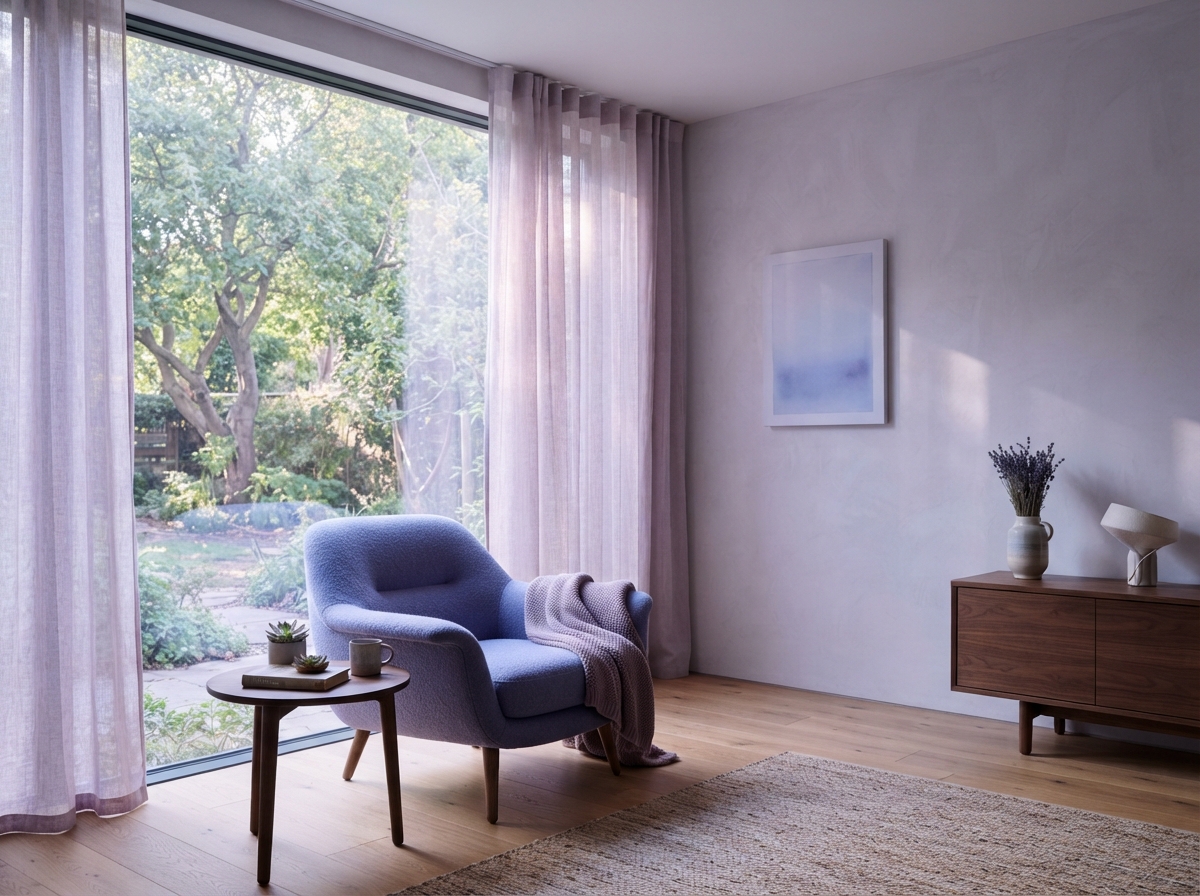
    A serene minimalist therapy room with a comfortable armchair near a large window in soft morning light

    Key Takeaways From This Article

    • Personalized six-session hypnotherapy programs shaped around your specific needs in Bear Creek, NC.
    • Mindlayers certified practice with high professional, evidence-informed standards.
    • Free 60-minute consultation with zero pressure or sales pitch before you begin.

    Anxiety has a way of settling in like weather. Some days it lifts and you almost forget it was there; other days it presses down from the moment you wake, colouring everything — the drive down Highway 421, the conversation you have been putting off, the quiet moments at home when your mind refuses to rest. If that feels familiar, you are far from alone. Anxiety is one of the most common reasons people reach out to my Bear Creek practice, and it is also one of the most misunderstood.

    This article is a frank, balanced look at whether hypnotherapy may help with anxiety. I am not going to tell you it is a cure, because it is not. What I can do is explain what the research suggests, how the six-session programme is structured, and what the experience genuinely feels like — so you can decide for yourself whether it might be worth exploring.

    02

    What Anxiety Actually Feels Like Day to Day

    Anxiety rarely shows up as a single dramatic event. More often it is a low, persistent hum — a tightness in your chest before a meeting, a loop of worry that replays a conversation from yesterday, a vague sense that something is wrong even when everything looks fine on paper. For some people it lives in the body: shallow breathing, a churning stomach, shoulders that never quite relax. For others it is mostly mental — a running commentary of worst-case scenarios that plays whether you want it to or not.

    What makes anxiety so draining is that it asks you to live in the future before it arrives. Your body responds to a threat that has not happened, and may never happen, as though it is already here. Over time this constant alertness becomes a habit — a well-worn path your brain defaults to. The encouraging news, and the reason approaches like hypnotherapy are worth exploring, is that habits can be gently reshaped. The brain that learned to be anxious is also capable of learning something steadier.

    03

    What the Research Suggests About Hypnotherapy and Anxiety

    Research into hypnotherapy for anxiety has grown steadily, and the findings are cautiously encouraging. Several studies and meta-analyses have suggested that hypnotherapy may help reduce self-reported anxiety levels, particularly when it is used as part of a structured programme rather than a one-off session. The evidence does not claim that hypnotherapy cures anxiety — and I would be wary of anyone who did. What it does suggest is that, for many people, hypnotherapy may support a meaningful reduction in how often and how intensely anxious feelings arise.

    It is worth being clear about what the research cannot tell us. Studies vary in quality and design, and individual responses differ. What works well for one person may have a gentler effect for another. Hypnotherapy is best understood as a complementary approach — one that sits alongside, rather than replaces, the medical or psychological care you may already be receiving. If you are working with a therapist or taking medication prescribed by your doctor, hypnotherapy can often run comfortably alongside that care. Nothing here is a diagnosis or a treatment, and results vary from person to person.

    04

    How Hypnotherapy Approaches Anxiety From a Different Angle

    Most of the strategies we use for anxiety operate at the level of the conscious mind. We reason with ourselves, challenge our thoughts, practise breathing, try to think our way out of the worry. These tools can help, but they only work while you are actively applying them — and anxiety has a habit of striking when your conscious mind is tired or distracted. Hypnotherapy takes a different route. Rather than reasoning with the anxious part of your mind, it works with the deeper, automatic patterns that sit beneath conscious thought.

    In a session, you are guided into a state of relaxed, focused attention — not sleep, not unconsciousness, but a calm and pleasant absorption where your mind becomes more receptive to helpful suggestions. In that state, the work is about helping your nervous system learn a new default. Instead of bracing for danger, your mind and body practise settling. The suggestions are collaborative and always aligned with your goals — you are fully aware and in control throughout. Many clients describe the experience as surprisingly ordinary and deeply relaxing, rather than anything dramatic.

    If you would like to explore this in more depth, my anxiety hypnotherapy page describes the full six-session programme in detail.

    05

    What a Six-Session Programme for Anxiety Looks Like

    Anxiety is rarely resolved in a single session because the patterns behind it were built over time. That is why every service I offer is a structured six-session programme, beginning with a free 60-minute consultation. The consultation is a no-pressure conversation where we talk through what you are experiencing, what you would like to change, and whether the programme feels like the right fit. If it does, the six sessions that follow are live, one-to-one, and personalised to you — in person at my Bear Creek office or online across North Carolina.

    Your six-session journey

    1. 01Foundations and calm skills — building a sense of safety and learning how to settle your nervous system.
    2. 02Mapping your triggers — identifying the situations, thoughts, and physical sensations that activate your anxiety.
    3. 03Softening the response — gently loosening the thought loops that feed anxious feelings.
    4. 04Building inner steadiness — strengthening the new response in real-world situations.
    5. 05Deepening resilience — working with the deeper layers of the pattern.
    6. 06Consolidating change — embedding the tools so they last well beyond the programme.

    All six sessions are live and one-to-one. There are no audio recordings — each session is a real, personal conversation between us. You can read more about the investment on the pricing page, where the six-session programme is $995 and individual sessions are $199, paid by cash or bank transfer.

    06

    Who Hypnotherapy for Anxiety Tends to Suit Best

    Hypnotherapy for anxiety tends to suit people who feel ready for change, even if they are nervous about the process. You do not need to have everything figured out before you begin — most people arrive with questions and uncertainty, and that is perfectly normal. What matters is a willingness to engage with the sessions and a sense that the approach feels right for you. The free consultation exists precisely so you can explore that without any pressure to commit.

    It is also important to say what hypnotherapy is not. It is not a substitute for medical or psychological care, and it is not the right starting point for everyone. If you are experiencing severe, debilitating anxiety, or if you are in crisis, your first port of call should be your doctor or a mental health professional. Hypnotherapy works best as a complementary approach — one that supports the work you may already be doing with your healthcare team. If you are unsure, the consultation is a good place to talk it through openly.

    07

    What Clients Often Notice Over the Six Sessions

    One of the most common things clients describe is not a sudden disappearance of anxiety, but a shift in their relationship with it. The anxious thoughts may still visit, but they feel less urgent, less convincing, and easier to let pass. Many people notice they are sleeping better, reacting more calmly to situations that would previously have triggered them, and feeling more present in their day-to-day life. These changes tend to build gradually over the six sessions rather than arriving all at once.

    I want to be honest about the limits of what I can promise. Results vary from person to person, and nothing here is guaranteed. Some clients notice meaningful change within the first couple of sessions; for others, the shift is subtler and builds more slowly. What I can say is that the programme is designed to give the work room to deepen — six sessions rather than one — and that most people find the process itself calming and supportive, regardless of how quickly the changes appear.

    08

    Why Clients in Bear Creek Choose Patty Dowd Hypnotherapy

    I am a Mindlayers certified hypnotherapist based at 6999 US Hwy 421 in Bear Creek, North Carolina. Before this work, I spent over two decades as a Registered Nurse — and that foundation shapes everything about how I practise. My Mindlayers training gave me a structured, practical framework for understanding how the mind forms patterns and how those patterns can be gently reshaped. The certification matters because it means the approach I use is consistent, ethical and grounded in a clear methodology rather than improvised.

    Clients come to me from across Chatham County and beyond — from Goldston and Siler City nearby, but also from Pittsboro, Asheboro, and Chapel Hill, because online sessions make the programme accessible wherever you are. What draws people is usually the combination of a structured six-session programme, a calm and personal approach, and the fact that every session is live and one-to-one. If you are considering hypnotherapy for anxiety, the complete guide to hypnotherapy in Bear Creek is a good place to start, or you can simply call for a no-pressure chat.

    09

    Frequently Asked Questions About Hypnotherapy for Anxiety

    Will I lose control during hypnotherapy? No. You remain fully aware and in control throughout every session. Hypnotherapy is not the same as stage hypnosis — you are not asleep, unconscious, or doing anything against your will. You are in a state of relaxed focus, and you can open your eyes, speak, or end the session at any point. Most clients find the experience calm and pleasant.

    Can hypnotherapy replace my medication or therapy? No, and I would never suggest it should. Hypnotherapy is a complementary approach that sits alongside the medical or psychological care you may already be receiving. If you are on medication or working with a therapist, I encourage you to keep doing so. Always keep your doctor informed about anything new you are trying.

    How many sessions will I need? Every service I offer is a structured six-session programme, beginning with a free 60-minute consultation. Anxiety patterns build over time, and six sessions give the work room to deepen. Some clients notice changes early; for others, the shift builds more gradually. The programme is designed to support lasting change rather than a quick fix.

    What if I am too anxious to relax enough for hypnotherapy? This is a common worry, and it is completely understandable. You do not need to arrive already calm — helping you settle is part of the work. The first session focuses on building a sense of safety and learning simple calming skills. If you are unsure, the free consultation is a good place to talk through any concerns.

    Is online hypnotherapy as effective as in person? For most clients, yes. The relaxed, focused state used in hypnotherapy is just as accessible over a secure video call as it is in the room. Many people prefer online sessions for convenience, and you can mix in-person and online sessions if your schedule changes.
    Anxiety can feel like a fixed part of who you are, but it is often a learned pattern — and patterns can change. Hypnotherapy is not a magic cure, and I would never pretend it is. What it can offer is a structured, supportive space to work with the deeper layers of anxiety, over six personalised sessions, at a pace that feels manageable. If you are curious about whether it might help you, the simplest next step is a free, no-pressure conversation.

    You can call me directly to arrange your free 60-minute consultation, in person at my Bear Creek office or online. There is no obligation to continue after the consultation — it is simply a chance to talk, ask questions, and see whether the programme feels right for you. Sometimes the most reassuring thing is simply being heard.

    Change can feel possible again.

    Book your free 60-minute consultation and discover how a personalized six-session program could support you.

    Avatar
    Hi there! Have a question? Chat with us.